Nortek Nucleus 1000 enables efficient underwater tunnel inspections
- User stories
Synopsis
Challenge
Inspecting submerged tunnels at hydroelectric power plants is complex and risky. Traditional methods require draining tunnels, which introduces structural risks and significant downtime. Operating remotely operated vehicles (ROVs) in confined, GNSS-denied environments further complicates the process, as even minor navigation errors can result in drift and degraded datasets.
Solution
Benefit
The Nucleus 1000 reduces navigation drift to near-centimeter levels, improves data accuracy, and significantly shortens processing time. It eliminates the need for extensive dataset repair and reduces operational risk, enabling faster and more reliable inspections.
Monitoring submerged tunnels to avoid failures
Submerged tunnels are critical components in hydroelectric power plants, used to transport water under conditions of high turbidity and near-zero visibility. Over time, these tunnels are subject to degradation such as cracking, deformation, sediment accumulation, and material deposition. Detecting and monitoring these changes is essential to ensure operational safety and avoid costly failures.
To meet these challenges, operators increasingly rely on remotely operated vehicles (ROVs) equipped with advanced acoustic sensors such as multibeam echosounders to generate detailed three-dimensional (3D) models of tunnel interiors. However, the accuracy of these models depends heavily on precise knowledge of the vehicle’s position, orientation, and motion throughout the survey. In confined, GNSS-denied environments, even small navigation or timing errors can lead to significant distortions in the data.
Operating in a challenging environment
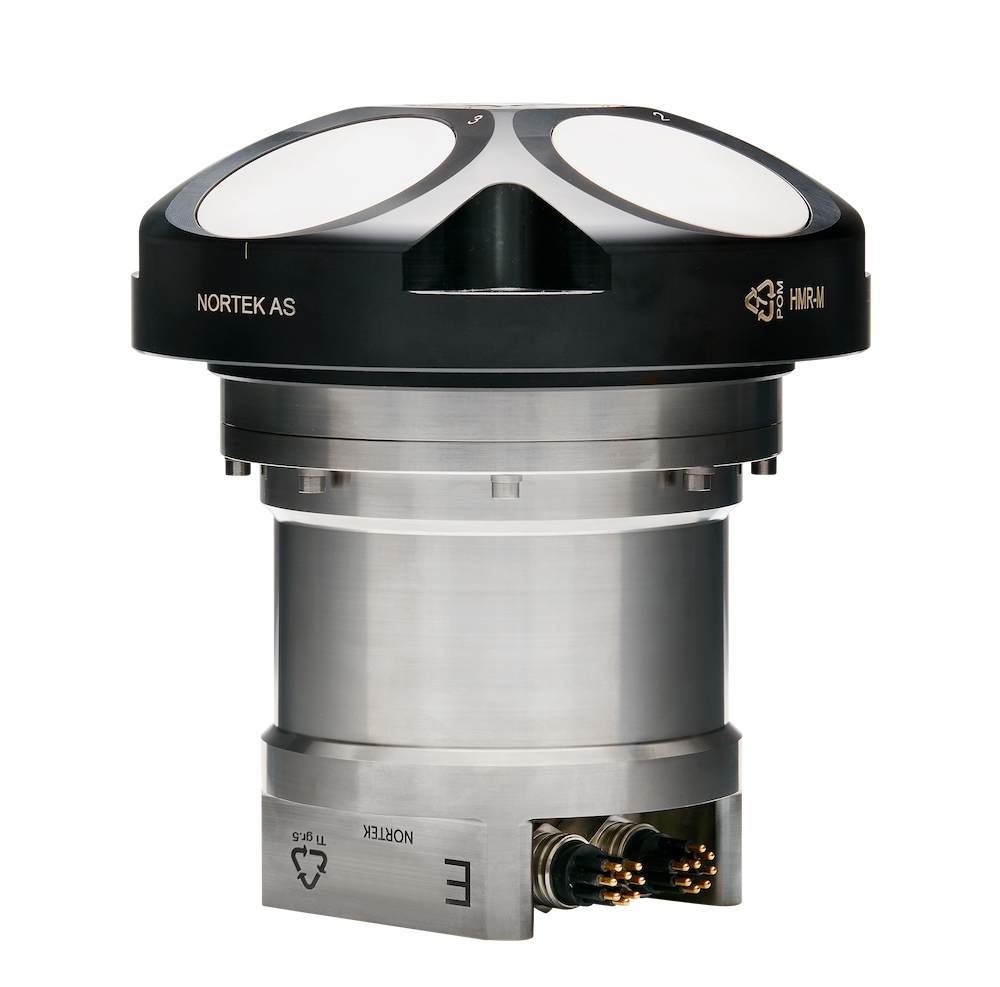
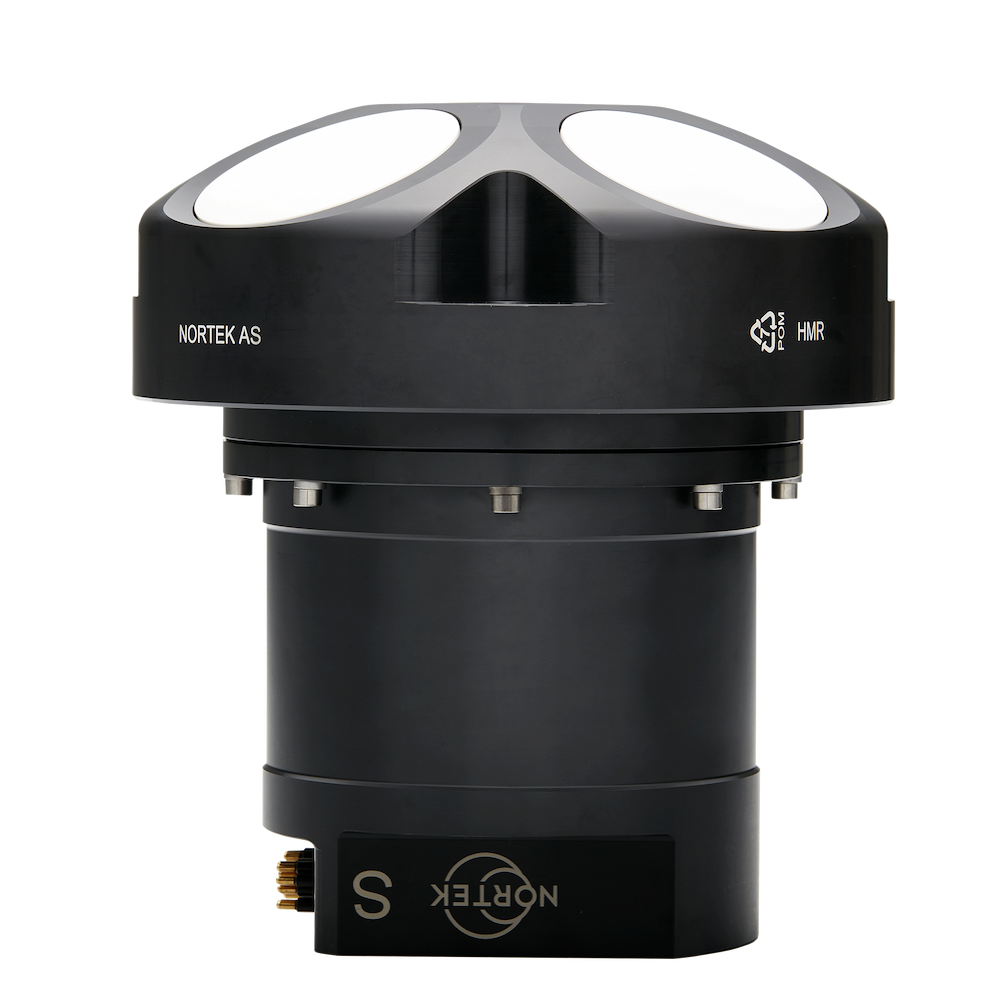
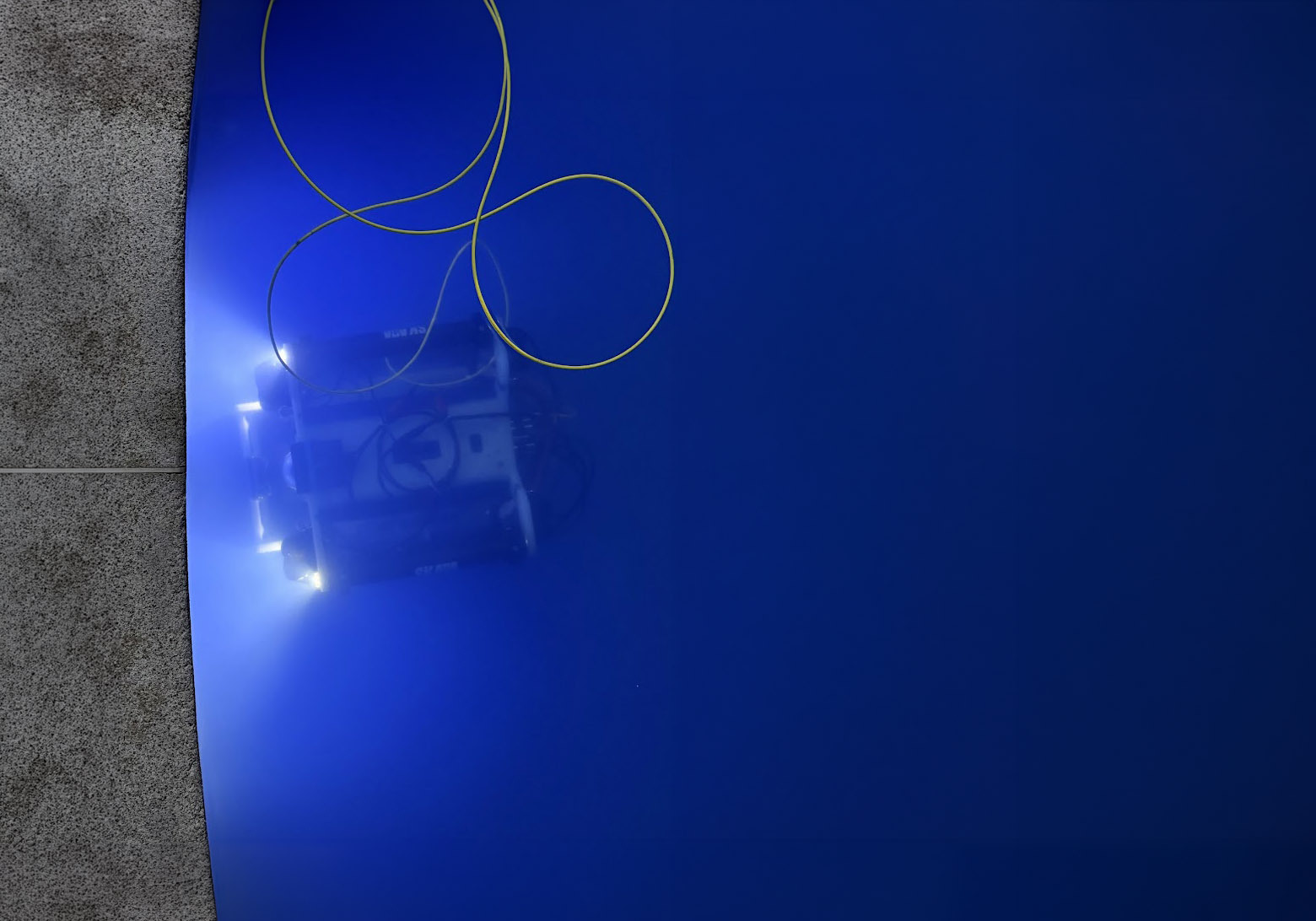
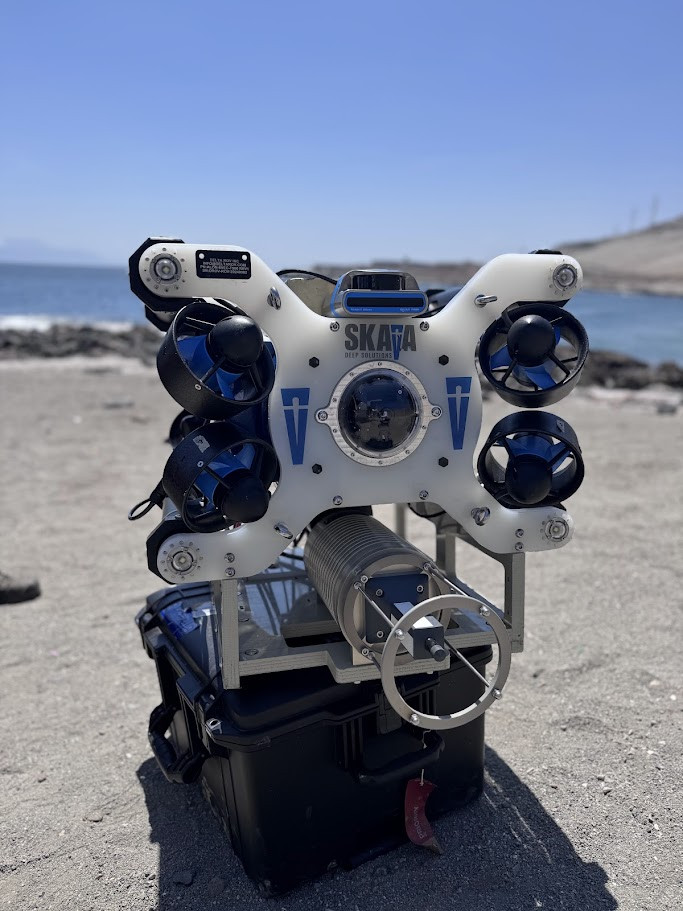
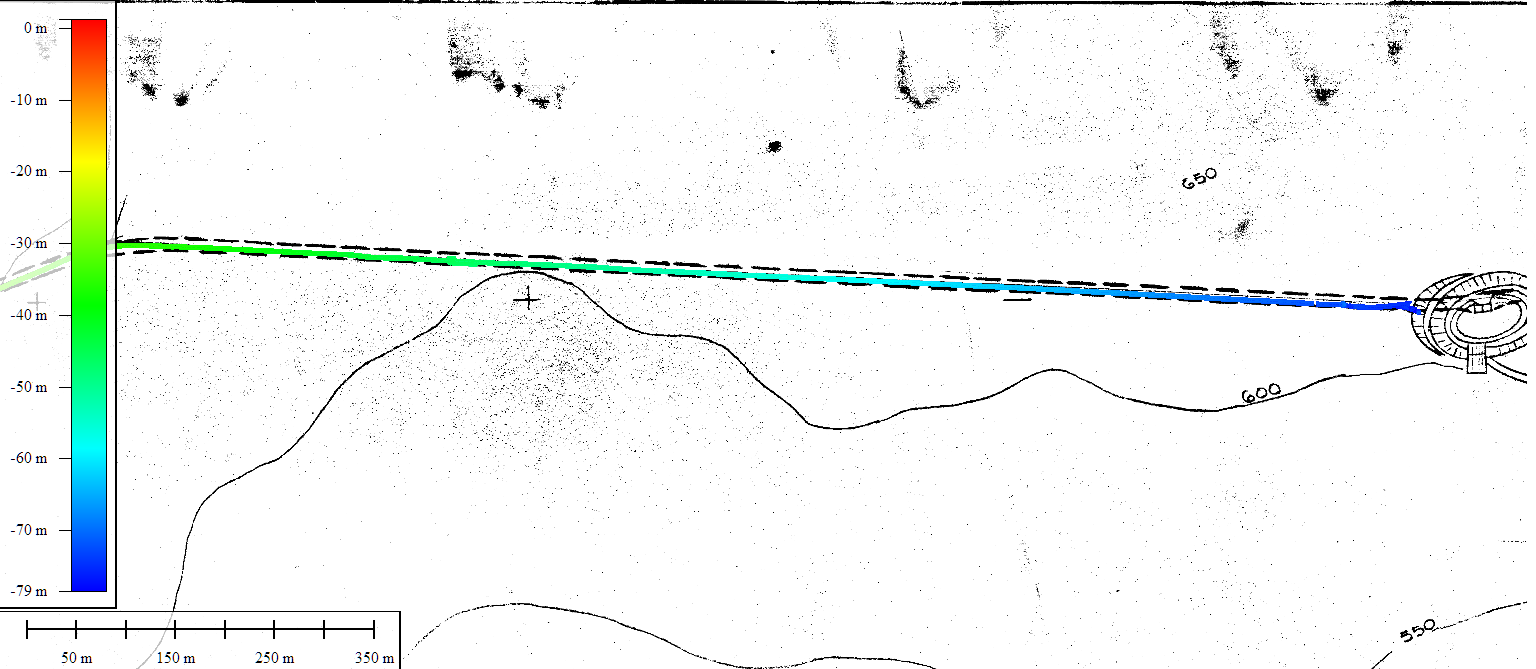
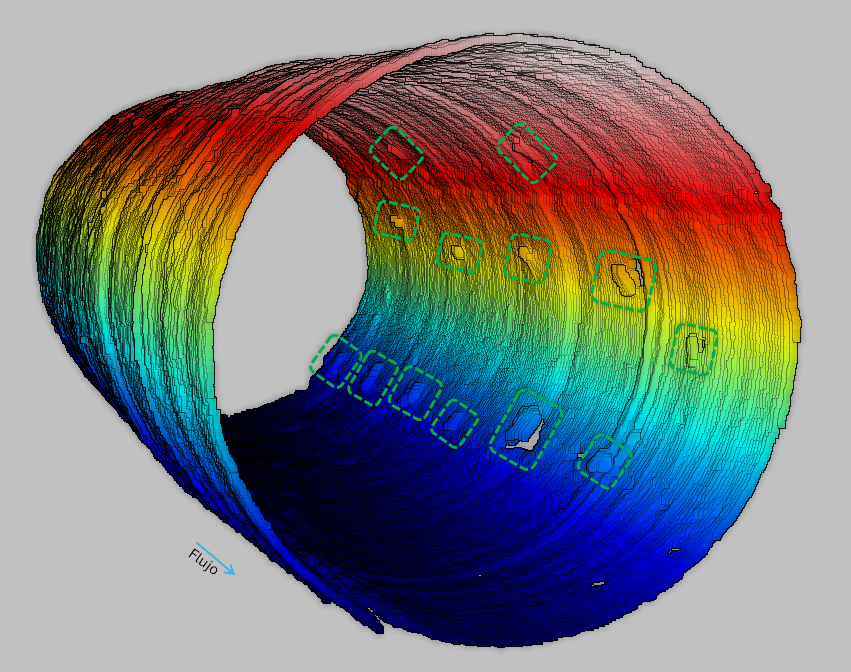
Skava Deep Solutions addresses these challenges using its in-house designed and built SK500 ROV equipped with the Nortek Nucleus 1000 navigation sensor. The system was recently deployed to inspect a 6 km submerged tunnel at a hydroelectric power plant in Colombia. The mission included identifying scour holes, sediment accumulation, and debris such as rock deposits along the tunnel floor. Data acquisition for the inspection was carried out using BeamworX, which is compatible with the Nucleus 1000 system.
Operating in such environments requires careful coordination and well-managed workflows. Surveys are conducted at approximately one kilometer per hour, meaning a full inspection can take up to twelve hours, in addition to system installation and pre-dive testing.
“The hardest part of our inspections is equipment setup and positioning,” explains Daniel Rossell, Head of Geophysics and Data Acquisition at Skava Deep Solutions. “We often work in high ambient temperatures, and in long tunnels where no GNSS signals are available, so we rely entirely on onboard navigation systems.”
From fragmented systems to integrated navigation
Before adopting the Nucleus 1000, Skava relied on separate inertial navigation systems and Doppler Velocity Logs from different manufacturers. While functional, this setup introduced complexity and limitations. Misalignment between sensors, loss of bottom tracking, and difficulties in diagnosing system behavior frequently resulted in navigation drift and degraded datasets.
In some cases, drift reached tens of meters per hour, significantly compromising data integrity. These issues often required extensive post-processing corrections or the development of custom algorithms to repair faulty datasets, sometimes adding hundreds of man-hours to a project.
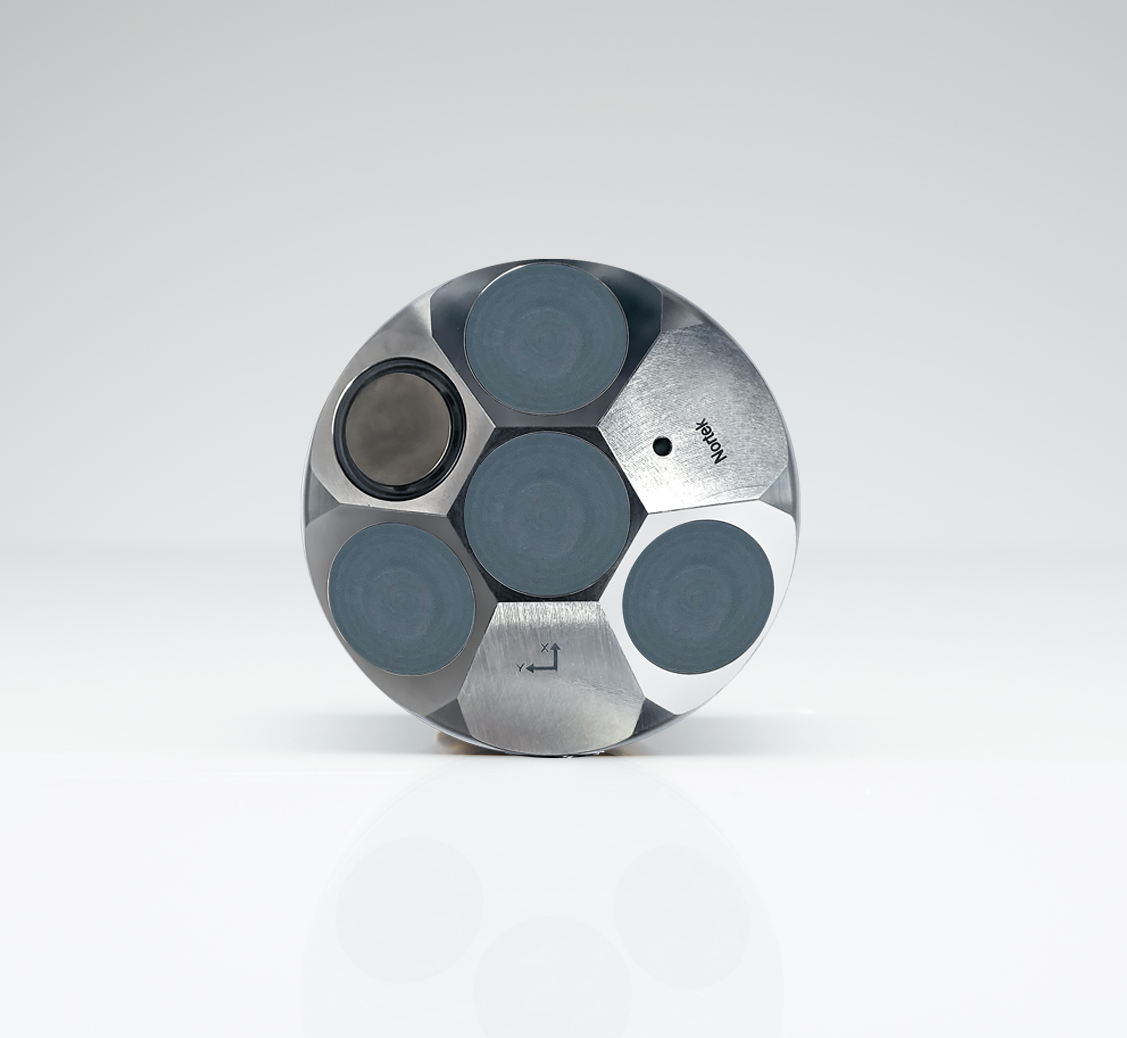
Seeking a more robust and efficient solution, Skava transitioned to the Nortek Nucleus 1000, an integrated INS and DVL system designed specifically for subsea navigation in challenging environments.
Improved performance and efficiency
By combining INS and DVL technologies into a single, tightly coupled unit, the Nucleus 1000 simplifies integration while significantly improving performance. Navigation drift was reduced from tens of meters per hour to near-centimeter-level stability over time, resulting in improved trajectory control and data alignment.
“The impact was immediate and measurable,” says Rossell. “Tasks related to navigation adjustments during processing were reduced by at least fifty percent, and overall workflows saw time savings of up to two weeks, equivalent to approximately one hundred man-hours.”
The improved system stability also eliminated the need for dataset repair, removing a major source of operational inefficiency and uncertainty.
“Implementing the Nortek Nucleus 1000 has significantly improved our setup times, data quality, and processing efficiency,” Rossell adds. “Nortek’s technical support has also been a major advantage.”
Enhancing data quality and confidence
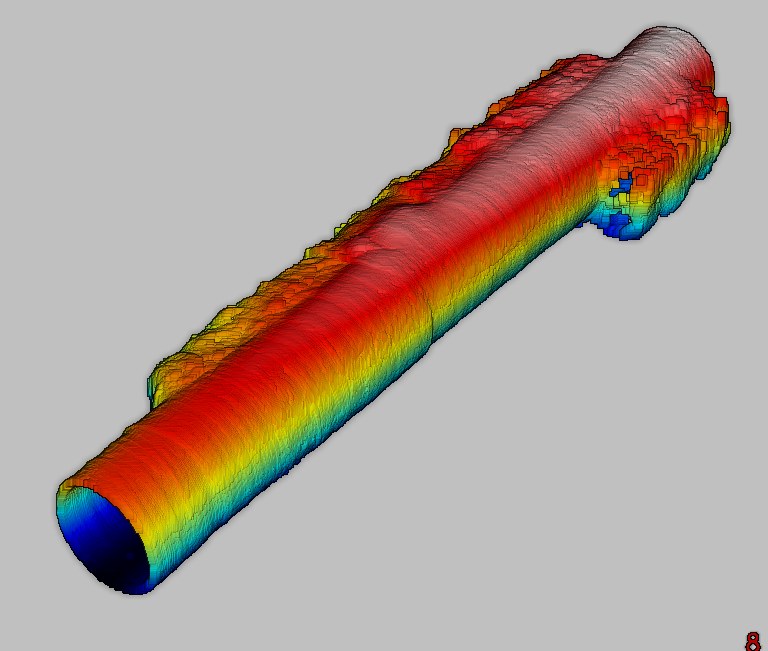
Improved navigation accuracy directly enhances the quality of 3D models generated from sonar data. Fine structural details such as anchor bolts and reinforcements can now be consistently resolved. Even in long, straight tunnel sections exceeding fifty meters, the system demonstrates negligible drift, ensuring reliable geometric representation and accurate georeferencing.
The integrated design also simplifies ROV configuration by reducing the number of components that need to be installed, calibrated, and maintained. This not only shortens setup times but also improves vehicle maneuverability by minimizing payload size and weight.
Reliable performance in complex environments
Hydroelectric tunnels often contain steel reinforcements that can introduce localized magnetic disturbances. While such challenges remain inherent to the environment, the Nucleus system’s robust sensor fusion and real-time diagnostics help mitigate their impact.
Reliability is critical for reducing operational risk. Prior to adopting the Nucleus 1000, failures in bottom tracking or attitude estimation occasionally resulted in unusable datasets and costly rework. With the new system, these risks have been significantly reduced.
Skava aims to deliver positioning accuracy of under one meter across all projects. The improved stability and consistency provided by the Nucleus system have strengthened their ability to meet these expectations while increasing confidence in the final deliverables.
Transforming underwater inspection workflows
The adoption of the Nortek Nucleus 1000 has not changed the fundamental nature of Skava’s services, but it has transformed how those services are delivered. By improving navigation accuracy, reducing operational complexity, and streamlining data processing, the system enables faster, more reliable, and higher-quality inspections in some of the most challenging underwater environments.