Nortek team joins USF cruise to support essential Gulf ecosystem research
- User stories
Understanding Gulf Coast ecosystems
The Deepwater Horizon oil spill of 2010 highlighted the need to better understand and protect the ecosystems of the United States’ Gulf Coast. Following the spill, the RESTORE Act of 2012 established funding for the recovery of the Gulf Coast. As part of this program, the Florida RESTORE Act Centers of Excellence Program (FLRACEP) was created at the Florida Institute of Oceanography (FIO), part of the University of South Florida (USF), bringing together academic and government institutions to monitor and support healthy Gulf waters off the coast of Florida. Since being initiated in 2015, FLRACEP has funded more than 30 projects through five thematic rounds, supporting fisheries, ecosystem monitoring, mapping and ocean observing technologies.
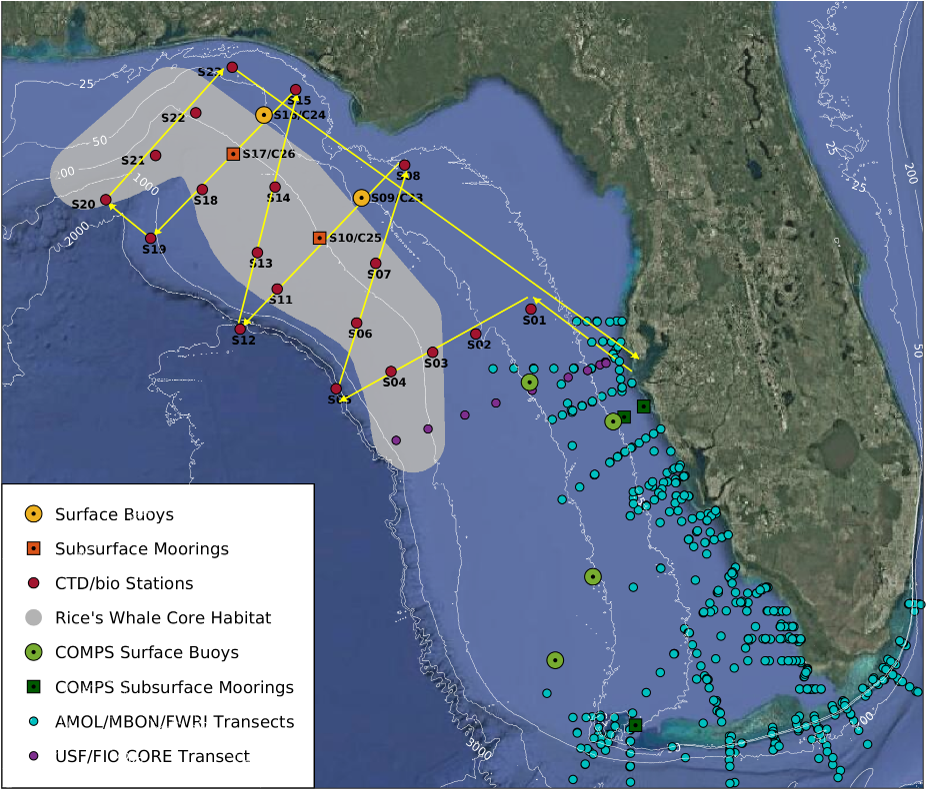
As part of FLRACEP-V, USF has research teams studying the De Soto Canyon area south of the Florida panhandle, where the continental shelf drops off steeply, creating a hotspot for marine biodiversity. Their research goals include investigating circulation patterns in the area, observing how the shelf break influences zooplankton communities, and in turn, better understanding the community of Rice’s whales in the area, critically endangered baleen whales local to the region. The project titled “Rice's Whale Ecology, Associated Ocean Circulation and Habitat” (REACH) relies on a variety of oceanographic sensors deployed in the area, including Nortek ADCPs. An August 2026 cruise brought together the researchers with Nortek team members to recover and redeploy sensors and perform other work in the area.
Studying the Gulf with moored instruments and other data collection methods
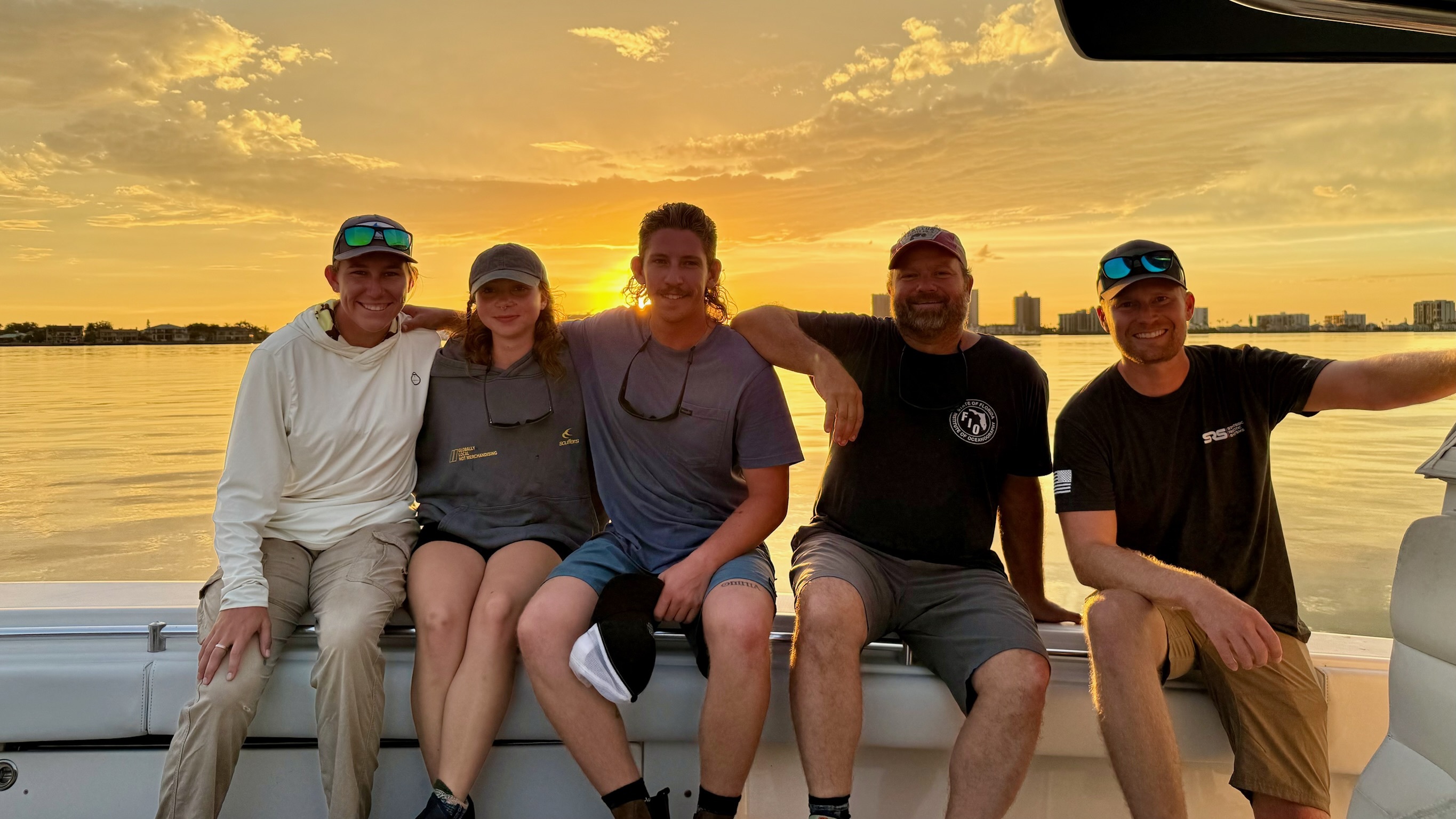
The team on the recent FLRACEP-V expedition was comprised of USF oceanographers and biologists, including co-chief scientists Dr. Ana Carolina Peralta and research scientist Jay Law. Dr. Peralta is a co-PI on the project with Dr. Yonggang Liu and Dr. Frank Muller-Karger and Law is head of operations for USF moorings. Also on the cruise were field operations specialist Sebastian Di Geronimo, graduate student Samantha D’Angelo, and mooring and field technicians Orion Scharton-Witmer and Lillian Ring.
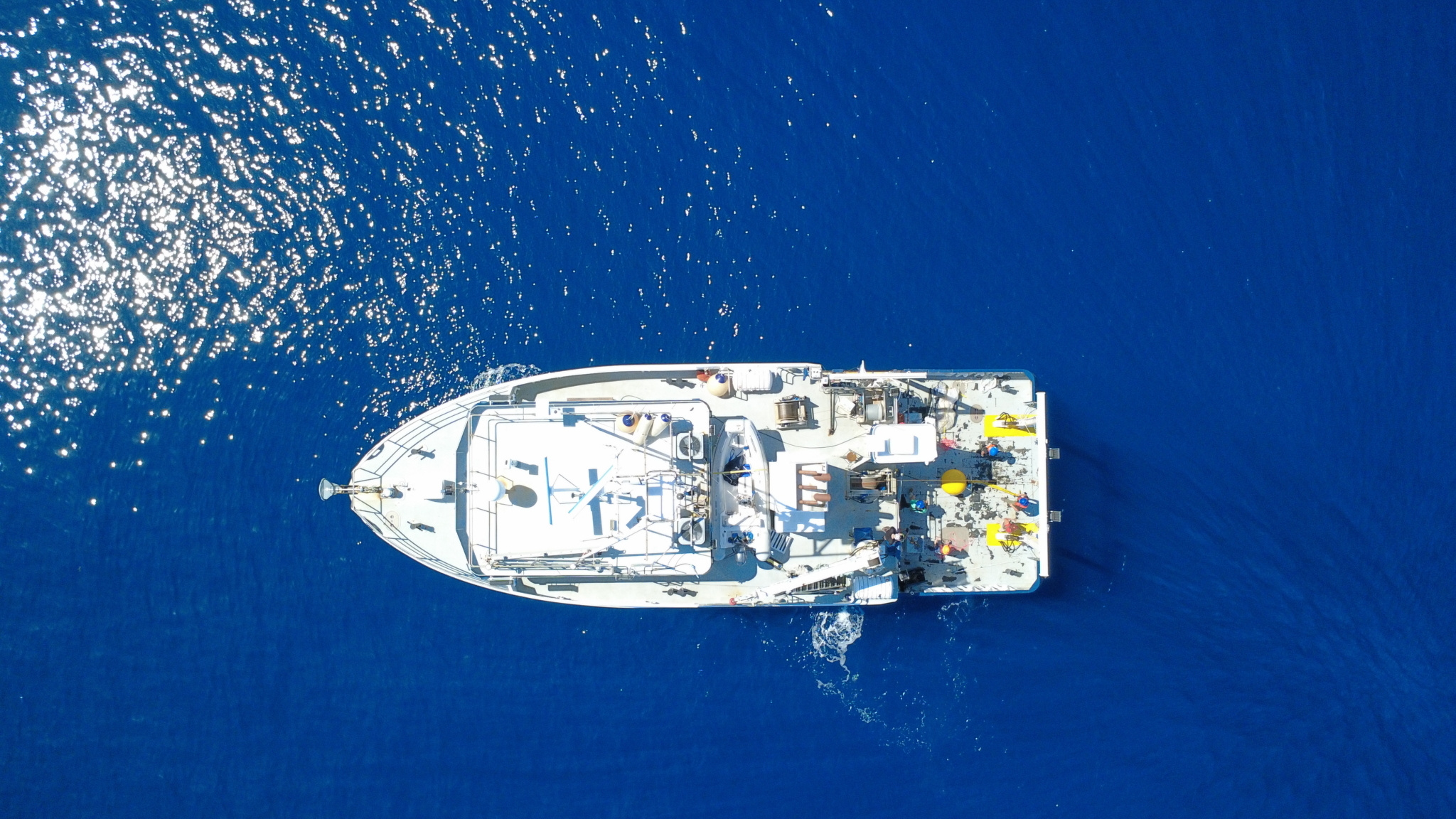
The team uses a range of methods to comprehensively study the area. A series of surface and subsurface moorings provide data from CTDs, echosounders, and ADCPs, including Nortek’s Signature 100 ADCPs with built-in scientific echosounder functionality. The team will also use towed arrays of hydrophones to listen for fish and whale activity, in addition to gathering water samples and performing CTD casts to collect thorough information about the physical and biological parameters in the area.
The Signature 100 ADCPs are unique in their ability to not only collect current velocity measurements in a profile of over 400 m, but also collect echosounder data which provides insight into zooplankton or even megafauna in the water column.
“For a project integrating physics with biology and chemistry, the Sig100’s dual nature as a current meter and echosounder is critical,” says Law.
Connecting oceanographic data with biological processes
The USF researchers use the data collected from the ADCPs and other oceanographic and meteorological sensors to inform high-resolution numerical models, which provide information on ocean circulation on the northern West Florida Shelf. In turn, they aim to understand how the physical processes in the area drive zooplankton abundance and distribution, key to characterizing the whales’ habitat.
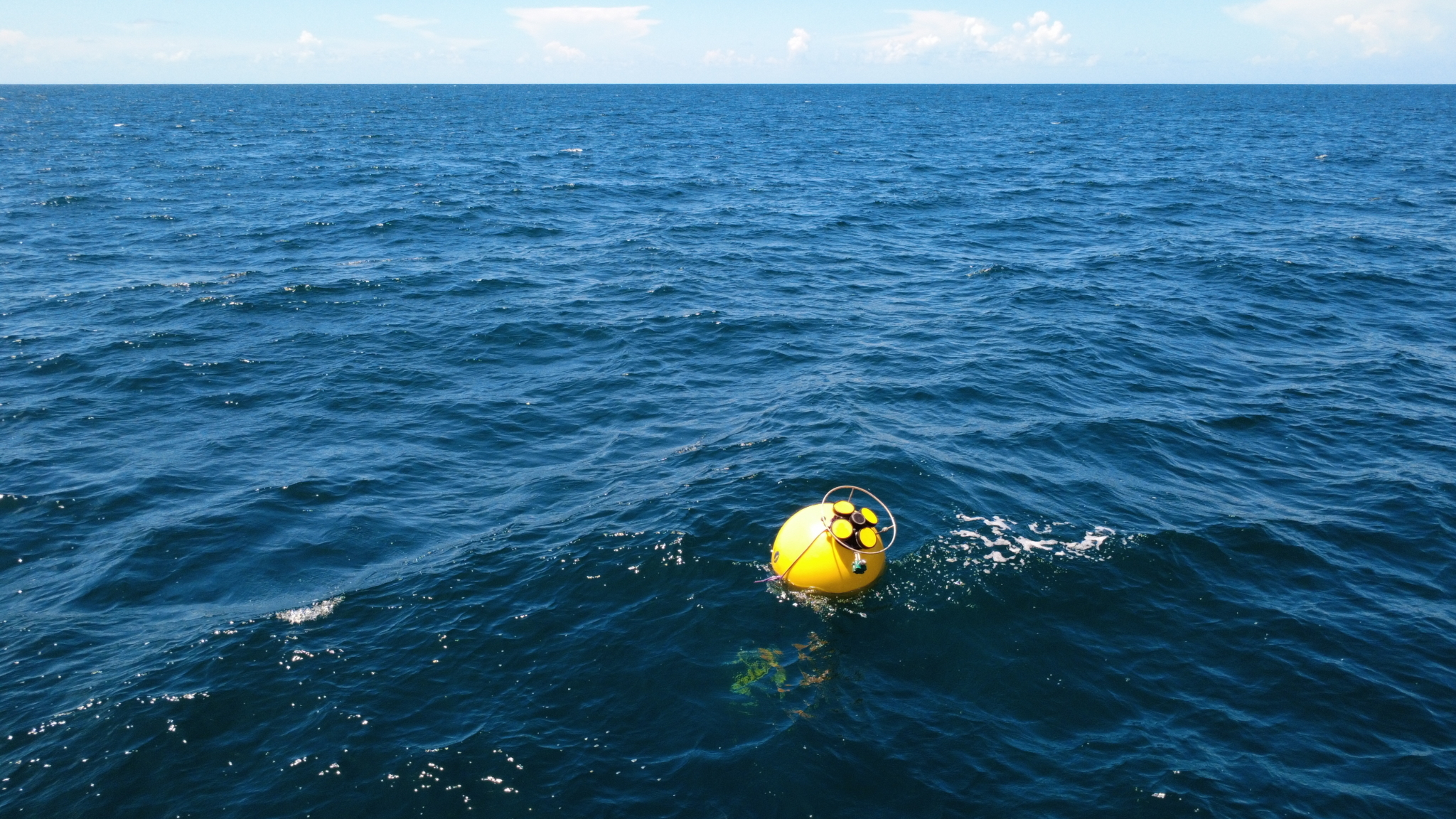
The Signature 100 ADCPs’ multi-parameter collection capability allows the team to gain insight into both physical and biological processes in the area.
“One hypothesis our project intends to test is that the zooplankton community composition and abundance in this area is different at certain sampling stations,” says Dr. Peralta. “This difference could be related to ocean circulation patterns, as water movement and other physical properties such as salinity and temperature can define water masses that could be understood as a ‘microclimate’ for biological entities.”
According to Dr. Peralta, the ability to measure both water movement and capture echograms from the Signature 100s is beneficial in providing the team insight into the dynamics of the biology in the area.
Nortek team joined for ADCP recovery and redeployment
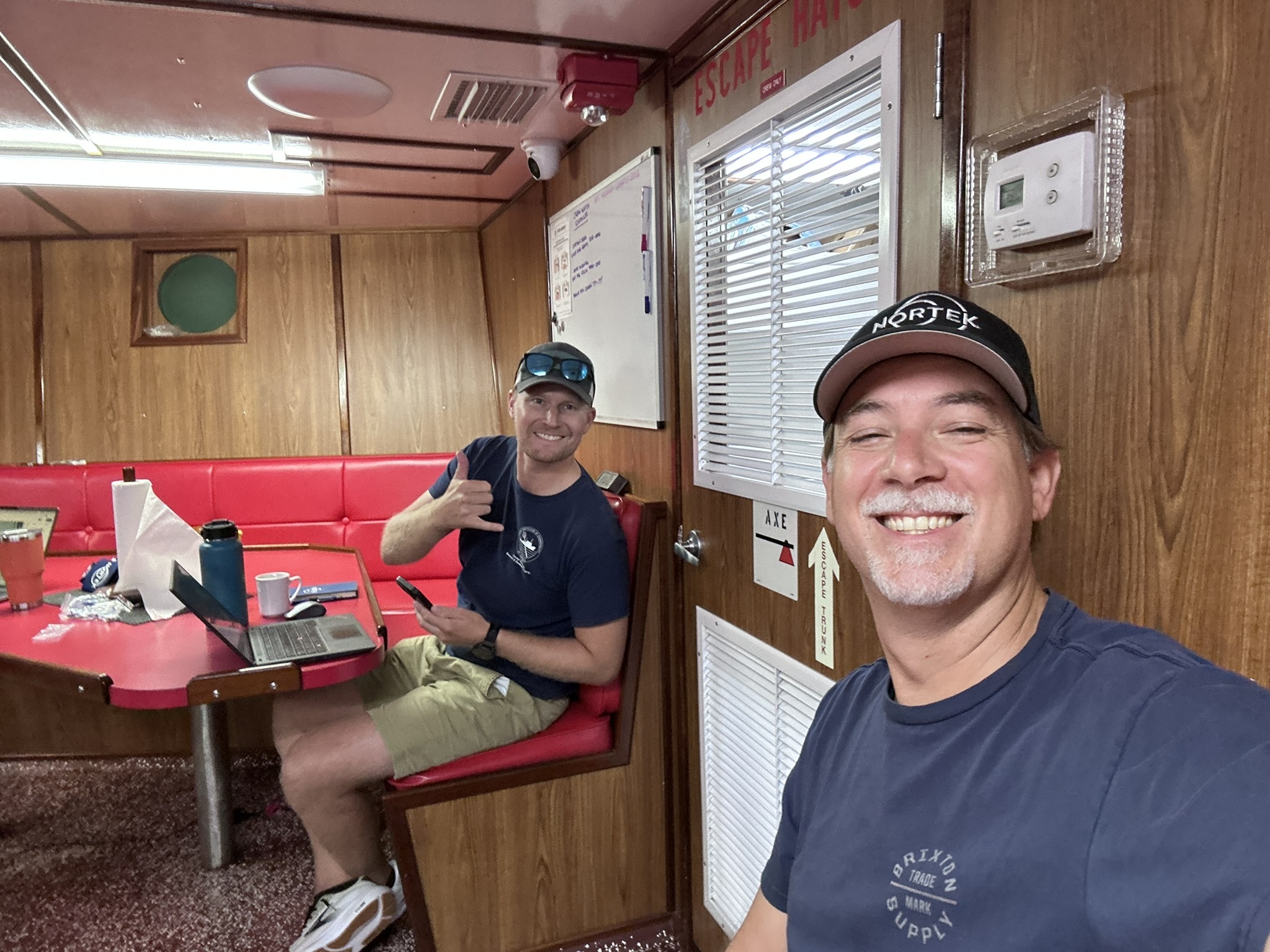
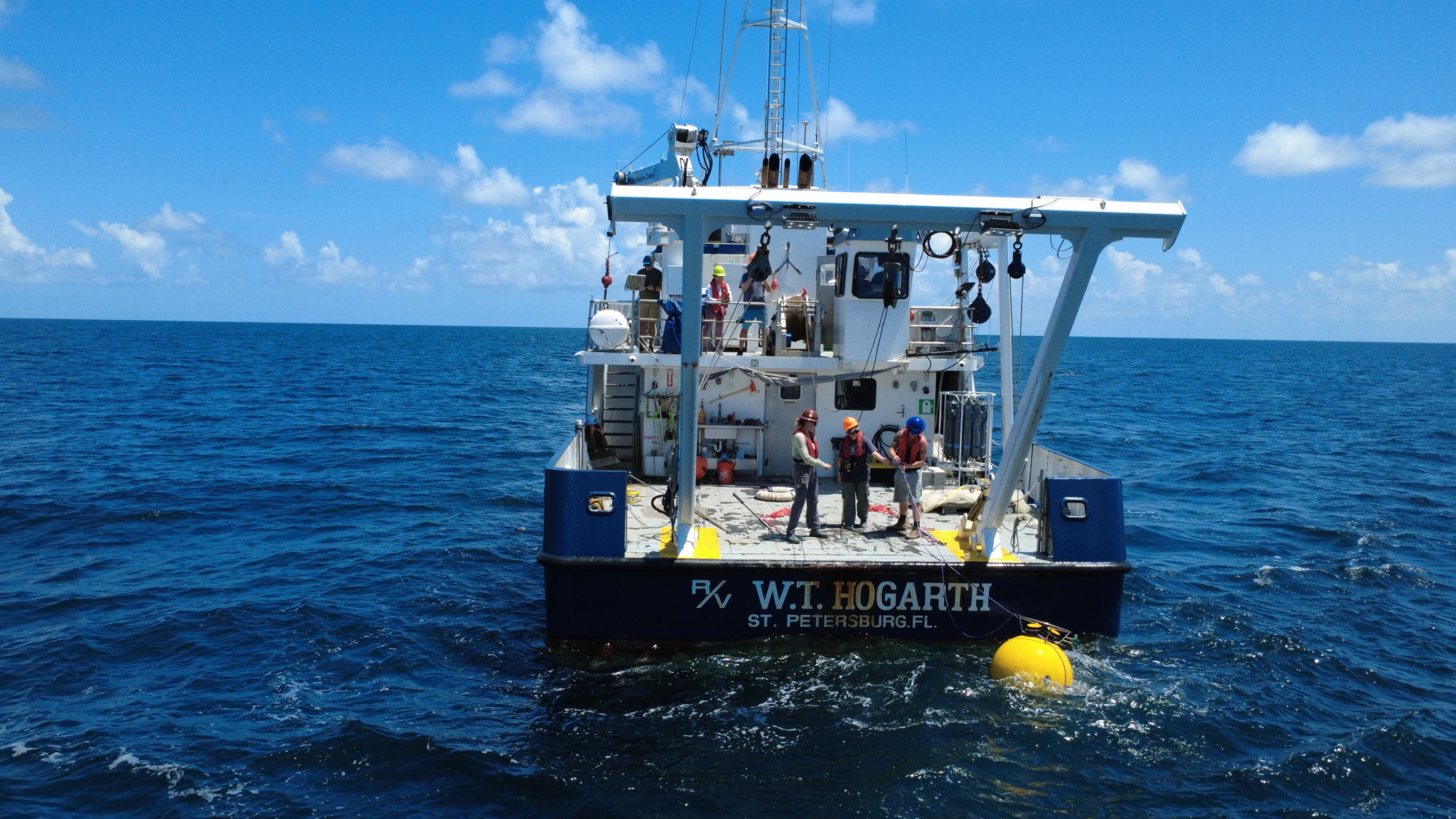
On the recent August 2026 cruise to recover data from the moorings, Nortek team members Jeremiah Ness and David Velasco joined the USF team to assist with the recovery and redeployment of the Signature 100s.
“I can't overstate how appreciative I am of Nortek's willingness to go above and beyond. To actually have two technicians come to sea and assist in making sure our first recovery and redeployment goes smoothly and we get the data we need, it's really incredible.”
— Jay Law, USF
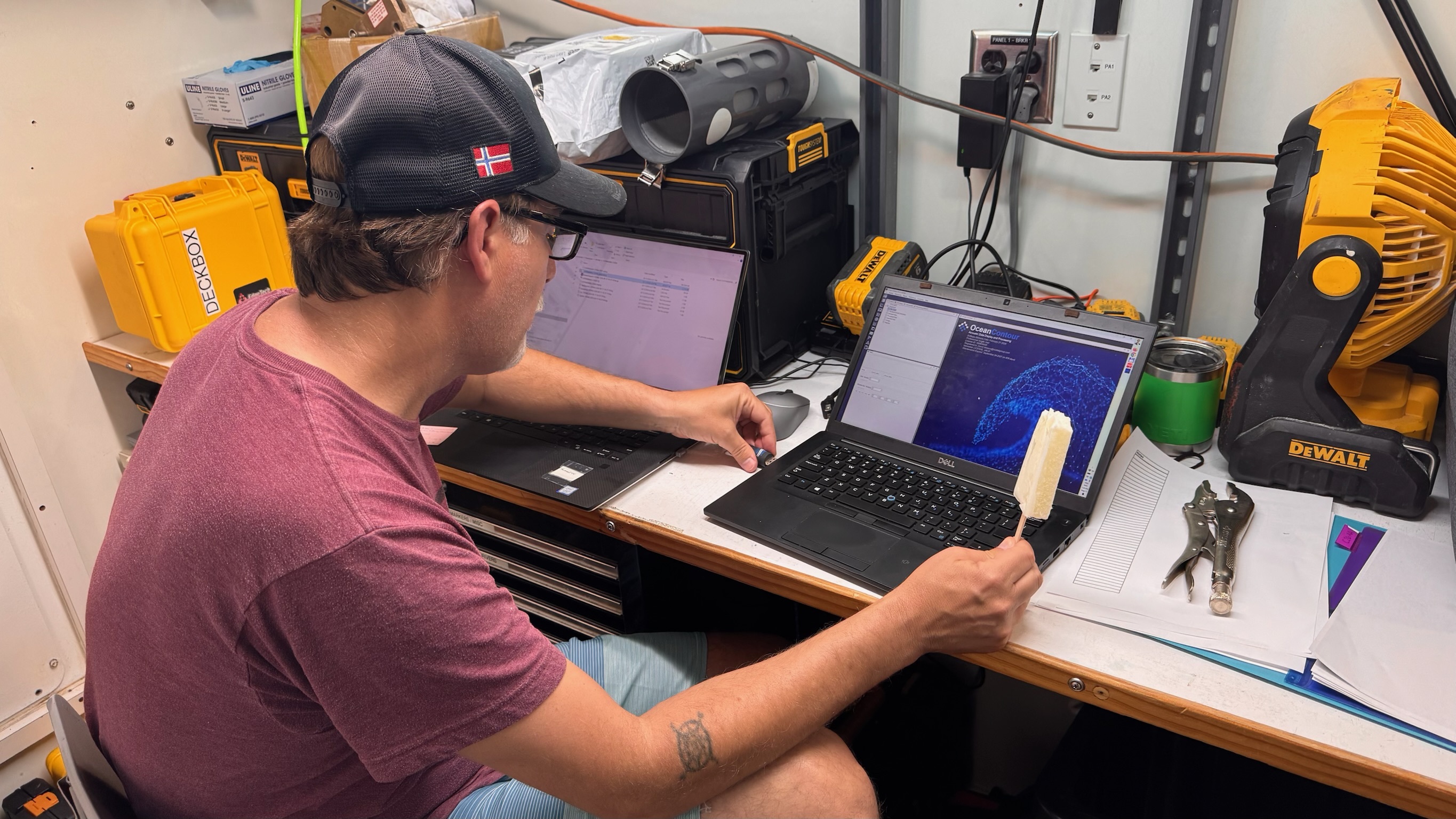
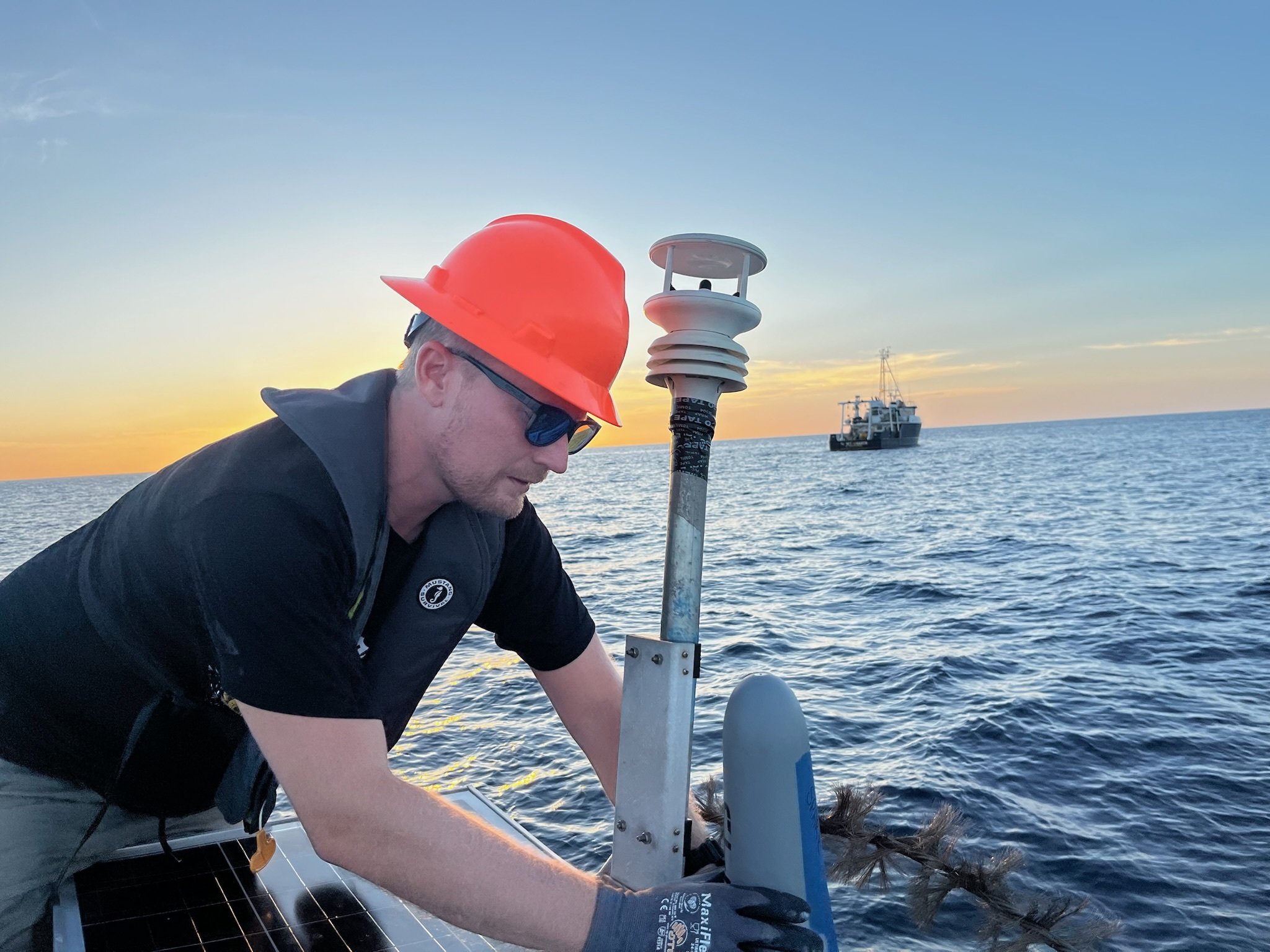
“There’s a lot going on during a cruise like this one, and having Nortek experts onboard to take care of data analysis, instrument setup, and assist with recovery and redeployment frees up the rest of the team for other ongoing projects,” says Velasco. “We’re happy to be able to lend our time and expertise to support our customers on projects like this one that contribute to maintaining healthy ocean ecosystems.”
The Signature 100 ADCPs had been deployed for nearly six months, collecting hourly current data and three echograms every six seconds.
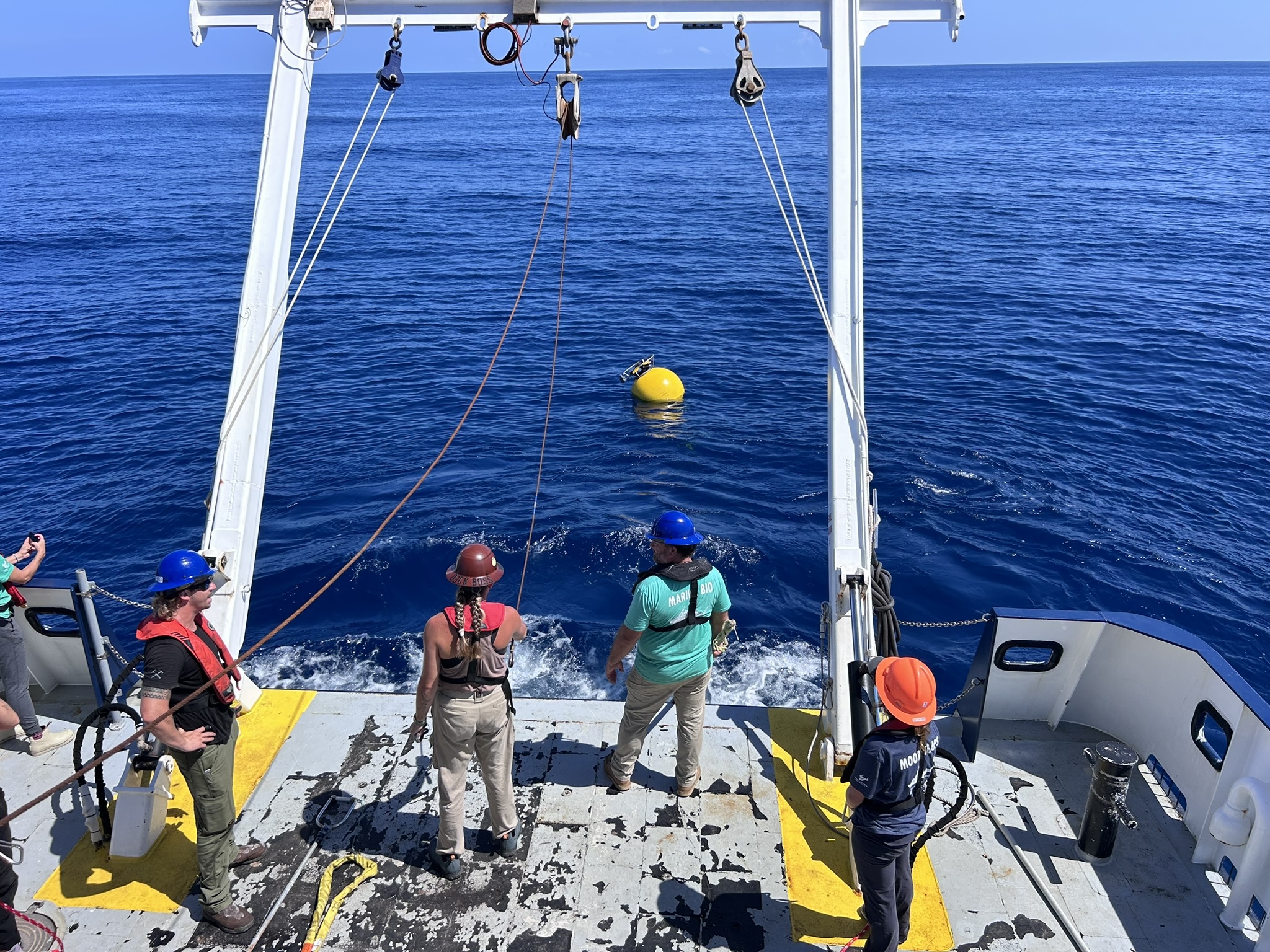
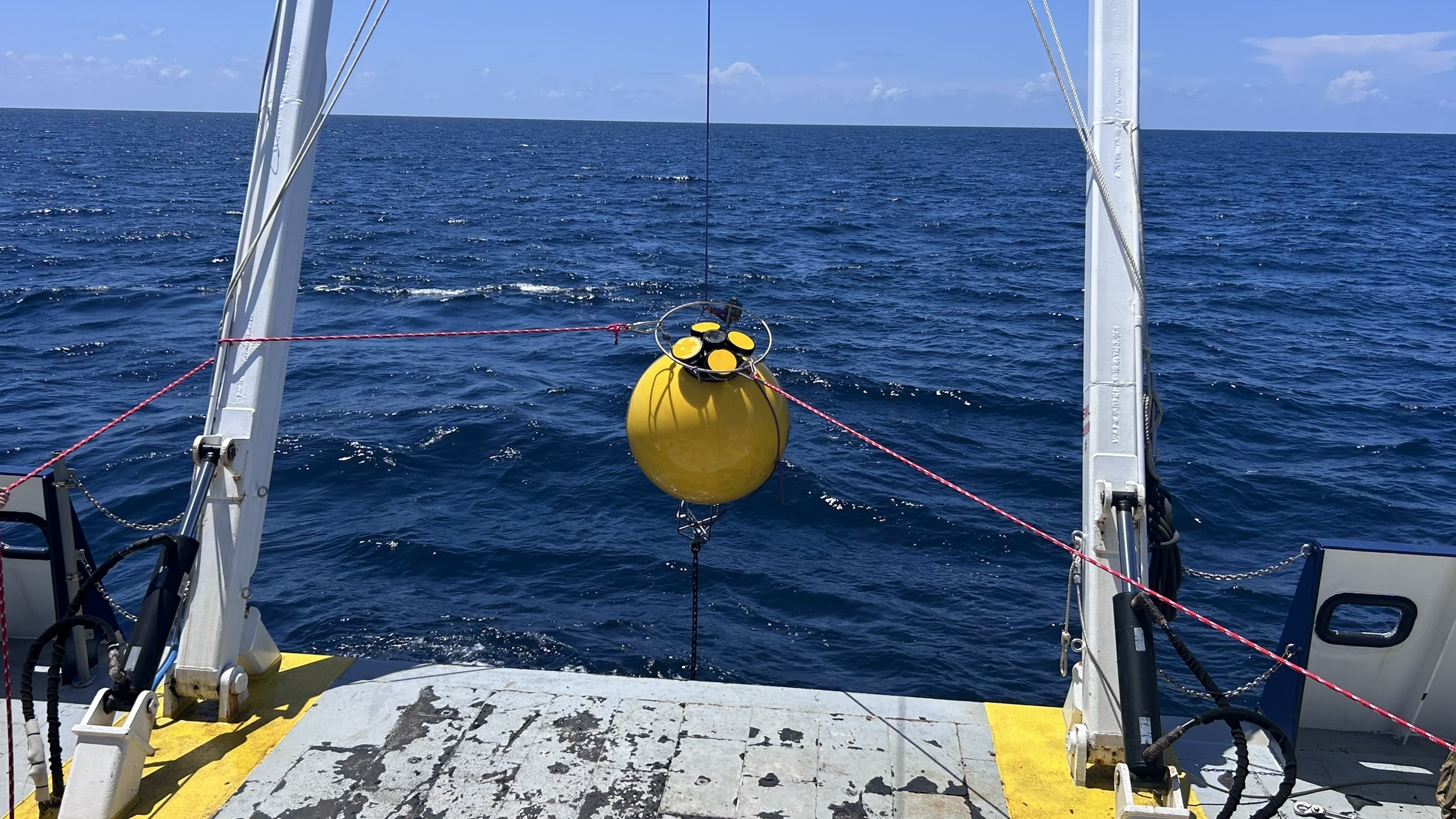
“We were happy to see that the Signature 100s performed flawlessly,” says Ness. “When you recover an ADCP after a several-month deployment, it’s always a sigh of relief to see your data come back looking good, especially for the entire duration of the deployment!”
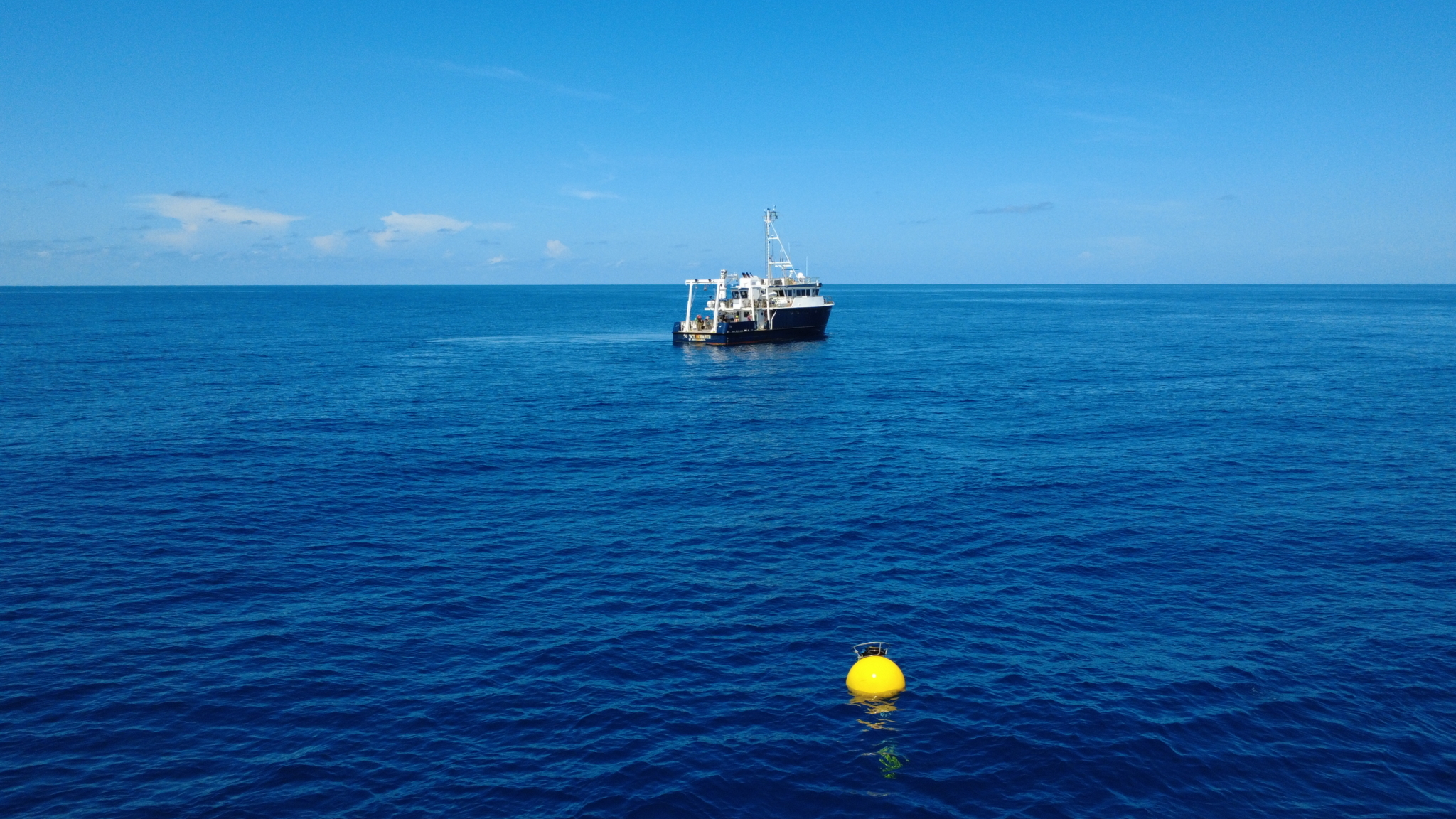
Law emphasizes the value of close partnerships with industry suppliers like Nortek.
“I can't overstate how appreciative I am of Nortek's willingness to go above and beyond,” says Law. “To actually have two technicians come to sea and assist in making sure our first recovery and redeployment goes smoothly and we get the data we need, it's really incredible.”
Next steps for the FLRACEP project
The team redeployed the Signature ADCPs for another nine months and will return in the spring to retrieve them. In the meantime, they will assess the data collected from the more recent cruise, and dig deeper into the insights they can provide for the biology and ecology in the area.
“We are looking forward to assessing the zooplankton data we collect with the [sampling] nets and will compare it with the Signature 100 echograms,” says Dr. Peralta. “The nets give us a one-time picture which we will try to see reflected in the echograms. Moreover, the echograms will tell a story through a larger time scale.”
For more information on the FLRACEP program, their website covers the ongoing and upcoming projects like this one under the program.